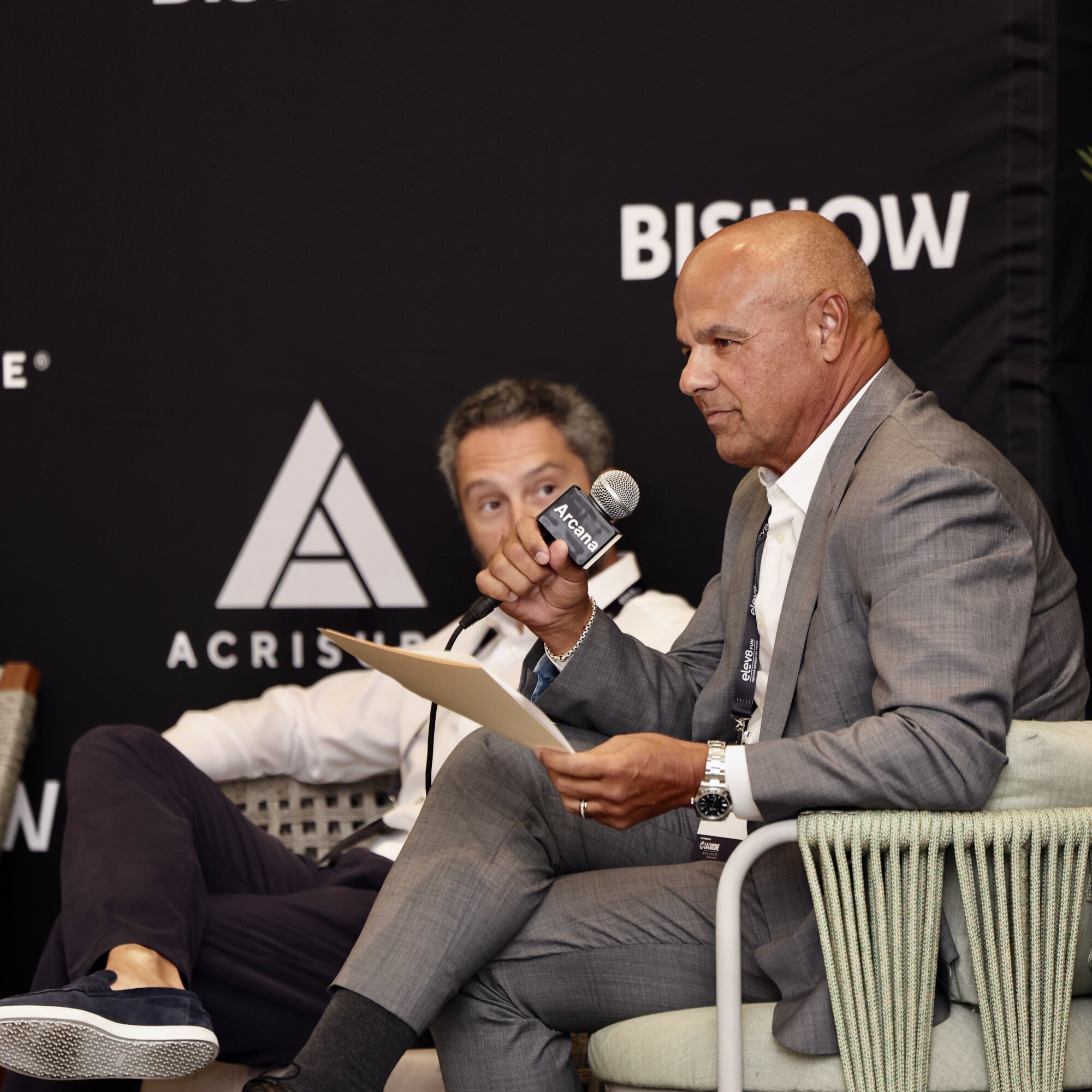
 Javier Vazquez, a land use and zoning attorney and shareholder in Gunster's Real Estate practice, recently moderated a panel titled "Miami's Next Residential Cycle: Positioning for the Supply Shift" at Bisnow's Miami State of the Market. The panel covered financing strategies for multifamily properties and how developers decide to position their projects. In a follow-up conversation with Bisnow, Javi shared his observations on where Miami's housing market stands and what developers should keep in mind as the market changes.
Miami's multifamily market continues to show strength. In the second quarter, renter demand absorbed new deliveries as completions slowed. Even so, making a deal work today takes a different approach than it did in past cycles.
A Market Still Moving in an Upward Direction
Panelists agreed that Miami is still moving in an upward direction, even as interest rates have risen. Javi described Miami as "like a unicorn," pointing to the post-pandemic boom and the many companies that have moved to the region. More broadly, the South Florida market is still doing well despite gas prices and rising interest rates.
Vigilance Is Essential
Conditions remain positive, but developers must stay alert to market changes that can happen overnight. The developers on the panel have worked in Miami through both hot and cold markets. They shared what those experiences taught them, where they think the market is going, and the financing challenges they face today.
Amenities and Concessions Are Being Redefined
Much of the discussion focused on the amenities and concessions a deal needs today, compared with what worked in the past. Developers charging much higher rents in markets like downtown Miami may need to offer more amenities to attract and keep renters. Careful product positioning is becoming central to whether a project pencils.
Entitlements Set the Foundation for Every Project
Successful projects start with the entitlement process, long before construction begins. Getting governmental approvals from local governments, and working through issues with regulatory agencies across Florida, are critical early steps. This applies to multifamily projects as well as other commercial developments, such as senior living facilities and industrial projects.
Looking Ahead
Miami has absorbed a significant wave of residential deliveries, and new starts have slowed sharply. That slowdown could open the next supply gap, and projects starting now may be best positioned as the market tightens. Developers and investors who understand where demand is strongest, how rent growth compares with today's construction costs, and what renters expect will be best positioned for Miami's next residential cycle.
YES! PLEASE SIGN ME UP TO RECEIVE EMAIL ALERTS FROM OTHER GUNSTER PRACTICE AREAS.
Gunster. Florida's Law Firm for Leaders®.
As a full-service law firm, Gunster provides legal counsel to leading organizations and individuals throughout the state and beyond state lines. Established in 1925, the firm has expanded and evolved alongside Florida itself. A magnet for business-savvy attorneys who embrace collaboration for the greatest advantage of clients, Gunster’s growth has not been at the expense of personalized service but because of it. The firm serves clients from its 15 offices across Florida, headquartered in West Palm Beach, with national reach. With more than 370 attorneys and 360 committed professionals, Gunster is ranked among the top 200 largest law firms by the National Law Journal. More information about its practices, industries, offices, and news is available at www.gunster.com.
